Wellness & Prevention
Building a Home First‑Aid Kit in Nigeria: What to Keep and How to Use It
A practical, Nigeria‑friendly guide to building a home first‑aid kit—what to include, how to store it, and when to get urgent help.
Reviewed by: Amela Pharmacy team, Uyo Last updated: 3 Feb 2026
You know that small panic when someone asks, Please, where is plaster? and everybody starts opening random drawers.
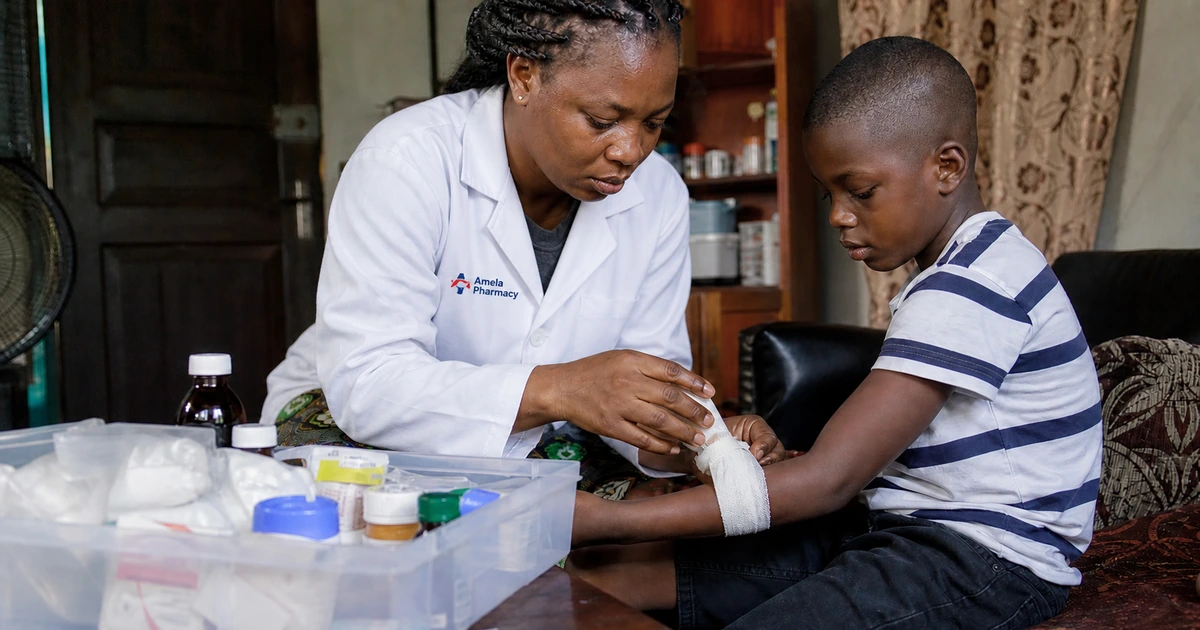
I am Ime, a pharmacist in Uyo, and I see this often at the counter. A parent comes in after a child gets a cut or scrape, but the home kit is missing key things like clean wipes, gloves, or tape. A good first-aid kit does not need to be fancy. It just needs to be complete, organized, and easy to reach.
What your first-aid kit should do
Think of your kit as your first response box. It helps you clean, cover, and support minor injuries while you decide if the person needs further care.
It is not a mini-hospital, and it should not replace professional treatment for serious symptoms.
Home first-aid kit checklist for Nigerian homes
Use this practical checklist as your base:
- Assorted adhesive plasters (different sizes)
- Sterile gauze pads
- Small roll of gauze bandage
- Adhesive tape
- Antiseptic wipes or antiseptic solution
- Antibiotic ointment (small tube or sachets)
- Non-latex gloves (at least 2 pairs)
- Scissors
- Tweezers
- Digital non-mercury thermometer
- Triangular or elastic bandage for support
- Instant cold pack (or a clean cloth for wrapped ice)
- Emergency blanket
- Simple first-aid guide or printed instructions
Helpful add-ons for our context:
- Small torch with spare batteries (very useful during power cuts)
- ORS sachets (keep 2 for dehydration or stomach upset)
- Clean bottled water or saline for rinsing wounds or eyes
- Written emergency contacts and key family medical notes
Smart medicine rules to avoid mix-ups
- Keep only medicines your household already uses safely.
- Separate children's items from adult medicines.
- Do not keep loose tablets without labels.
- Check expiry dates every 3 to 6 months.
- If you are unsure what is suitable for your household, ask your pharmacist for age-appropriate options.
How to store your kit so it actually works
- Use a clean, waterproof container with a lid.
- Keep it where adults can find it quickly.
- Keep it away from heat, humidity, and direct sun.
- Add a small restock list inside the box.
The best kit is the one you can find in seconds, not minutes.
Monthly 3-minute reset
Once a month:
- Remove expired items
- Replace what you used
- Check thermometer battery
- Confirm emergency numbers are still correct
This simple habit keeps your kit reliable when stress is high.
When to Seek Help
First aid is the first step, not the final step. Seek urgent care if any of these happen:
- Heavy bleeding that does not stop after firm pressure
- Trouble breathing, swelling of lips or face, or widespread hives
- Loss of consciousness, repeated vomiting, or confusion after a head injury
- Suspected broken bone or severe burns
- A baby under 3 months with fever
- Seizure, severe weakness, or sudden chest pain
If you are unsure, it is safer to get checked quickly.
A prepared first-aid kit cannot prevent every emergency, but it can make the first few minutes calmer and safer, especially when help may still be a keke ride away.
Disclaimer: This article is general health information and does not replace professional medical advice, diagnosis, or treatment. If symptoms are severe, worsening, or worrying, seek professional care promptly.
Need help? Chat with us on WhatsApp or contact us.

No comments yet. Login to start a new discussion Start a new discussion