Heart Health & Blood Pressure
Hidden Salt in Nigerian Meals: Simple Swaps to Protect Your Blood Pressure
You may have reduced table salt but your BP is still up. Hidden sodium in cubes, noodles, sauces, and bread could be why. Here are practical swaps that still taste good.
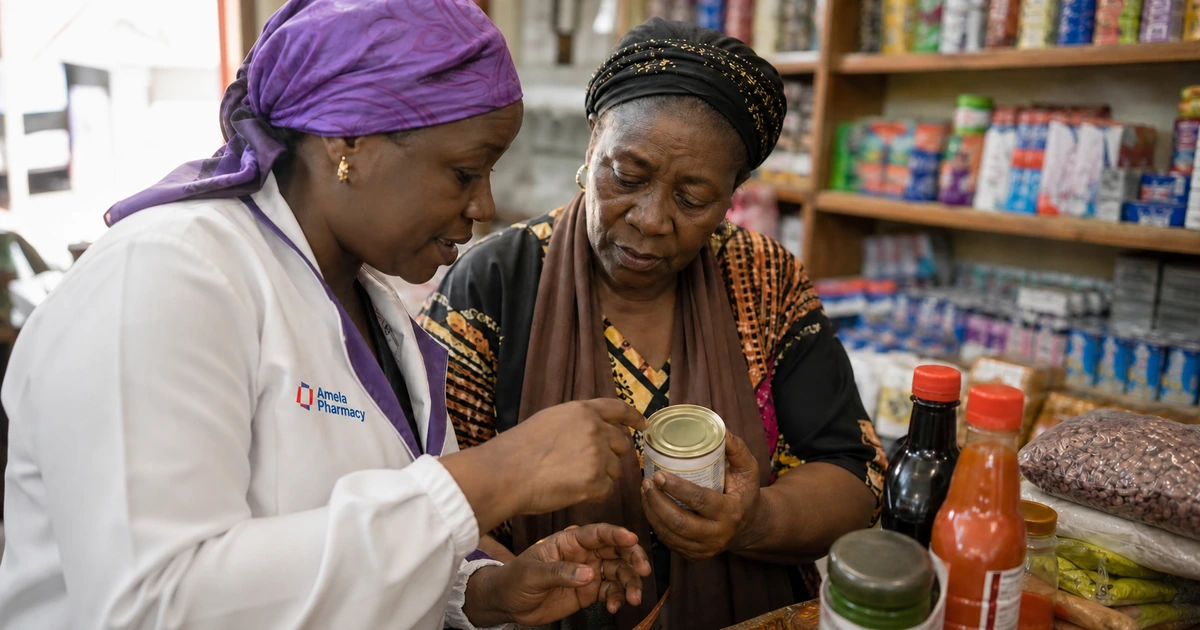
Reviewed by: Amela Pharmacy team, Uyo Last updated: 22 Feb 2026
By 8 a.m., our queue already has school shoes, office ID cards, and one question we hear all the time: I barely add salt, so why is my blood pressure still high?
Fair question.
In many homes, the main salt source is not the teaspoon you can see. It is sodium hiding inside everyday convenience foods: seasoning cubes, noodles, processed meats, sauces, and quick take-away meals. So you can eat what feels normal and still pass your daily limit.
The good news is that you do not need tasteless food to protect your heart. A few practical swaps can cut sodium and still keep meals enjoyable.
Why hidden salt matters more than the salt shaker
When people hear reduce salt, many immediately picture bland food forever. That fear makes sense, but it misses where most sodium comes from. For most people, the bigger share comes from packaged and prepared foods, not from what they sprinkle at the table.
For adults, a practical target is total salt intake around one level teaspoon or less per day from all sources combined. That includes salt already inside bread, noodles, sauces, canned foods, and seasoning mixes.
Too much sodium can push blood pressure up over time, and blood pressure often rises quietly. Many people feel fine until complications appear. That is why routine BP checks matter.
If you live with hypertension, kidney disease, diabetes, or a history of stroke, hidden sodium is even more important to control. Small daily choices usually do more than one perfect meal once in a while.
Where sodium hides in everyday Nigerian eating
Most people already watch out for salty snacks. The tricky part is the foods we treat as normal.
- Seasoning cubes and powders: very useful in busy kitchens, but easy to overuse, especially if soup, rice, and stew are all cooked in one day.
- Instant noodles: handy during rushed mornings, when NEPA takes light, or when you get home late, but often high in sodium.
- Bread, rolls, and pastries: they may not taste salty, yet they add up fast across breakfast and evening tea.
- Processed proteins: sausages, corned beef, canned fish in brine, and deli meats can carry more sodium than expected.
- Sauces and condiments: ketchup, soy sauce, stock powders, and ready-made marinades can load a meal quietly.
- Restaurant and fast-food portions: shawarma, pizza, fried rice combos, and grilled meats can be salt-heavy even when the taste seems balanced.
One common pattern we see in Uyo is this: a low-salt dinner at home, then salty extras during the day from pastries, noodles, or quick bites between errands. Your body still counts all of it.
We see this at the counter all the time
A customer came in after a market run, frustrated that her home readings were still high. She had stopped adding table salt months earlier, so in her mind she was doing everything right.
As we talked through her routine, the hidden sodium became clear: two cubes in stew, instant noodles three evenings a week when light went off, and corned beef on rushed mornings.
No drama. No blame. Just hidden sodium.
She made a few swaps, kept checking her numbers, and her readings became steadier over the next few weeks.
A 7-day reset to cut sodium without killing flavour
You do not need to rebuild your whole kitchen. Try this one-week reset:
- Pick one high-salt hotspot first. For many families, it is seasoning cubes or instant noodles. Start with one change so it is easier to sustain.
- Reduce, do not crash. If you use two cubes in one pot, try one and a half this week, then one next week. Taste buds adjust faster than most people expect.
- Build flavour with local basics. Onion, garlic, ginger, scent leaf, curry, thyme, crayfish, pepper, lemon, and tomatoes can replace part of your salt dependence.
- Rinse canned foods when possible. If you use canned beans or fish in brine, draining and rinsing can remove some sodium.
- Check labels in 10 seconds. Compare similar products and choose the one with less sodium per serving. Same product class, very different salt levels.
- Create one low-salt default meal at home. Example: boiled yam with egg and vegetable sauce made with fewer cubes, or beans with fresh pepper mix and less stock powder.
- Plan your outside-food moments. If lunch will likely be salty, keep dinner lighter on sodium instead of doubling up.
This is not about perfection; it is about consistency.
If food tastes less exciting for a few days, that is normal. Give it one to two weeks. Most people find their palate resets, and heavily salted food starts tasting too sharp.
Smart flavour swaps that actually work
Most people fear low-salt eating because they fear boring food. That part is fixable.
- Toast dry spices briefly before adding them to stew to deepen aroma.
- Use acid for brightness. A squeeze of lemon or lime at the end can make food taste fuller.
- Add natural umami with tomatoes, onions, garlic, mushrooms, or a small amount of crayfish.
- Increase texture contrast. Crunchy vegetables, roasted groundnuts, or grilled onions can make meals feel richer even with less salt.
- Cook in batches and season in layers; this helps you control taste without dropping extra cubes at the end.
If you cook for a mixed household, keep the base pot moderate and let others add a little salt at the table if they want. That protects the person managing blood pressure without forcing one taste profile on everyone.
A practical one-day low-salt meal template
If you need a real-world example, this simple day plan can help:
- Breakfast: plain oats with banana and groundnuts, or boiled yam with egg and tomato-onion sauce made with less seasoning.
- Lunch: beans porridge with fresh pepper mix, onion, and a little crayfish, plus vegetable side.
- Dinner: grilled fish with boiled plantain and sauteed ugu or spinach flavored with garlic, onion, and lemon.
- Snacks: fruit, plain yoghurt, or unsalted groundnuts instead of pastries and processed meats.
You can still eat familiar Nigerian meals. The goal is not to abandon local food. The goal is to cut high-sodium extras that quietly push your BP up.
Quick shopping checklist for a lower-salt week
- Buy fresh proteins (fish, chicken, beans, eggs) more often than processed meats.
- Keep at least two fast but lower-salt meal options at home, so noodles are not your only emergency plan.
- Choose plain oats, plain yoghurt, and unsalted nuts when possible.
- Compare bread brands and pick lower-sodium options when labels are available.
- Restock flavour boosters: onion, garlic, ginger, fresh pepper, herbs, lemon.
- If you use seasoning cubes, decide your weekly limit before shopping.
- Keep a simple BP log if you already monitor at home.
A checklist may look small, but it reduces decision fatigue. When life gets busy, a simple system usually beats willpower.
Another practical trick: keep a short note on your phone with two low-salt emergency dinners and one lower-sodium bread brand. On rushed days, this cuts impulse buying and helps you avoid noodles or processed meats as default backup meals.
If home BP is still fluctuating, give changes time and track trends for a few weeks instead of reacting to one reading. Sodium cuts work best when paired with regular medicine use, sleep, and follow-up.
If you already take BP medicine, avoid these common mistakes
Cutting sodium helps, but it does not replace prescribed treatment. We often see people change medication on their own once readings improve for a few days, and that can backfire.
- Do not stop your BP medicine because one week looked good. Better readings usually mean your plan is working.
- Do not double your dose after a salty meal. Extra tablets can cause dizziness, fainting, or kidney stress.
- Be careful with over-the-counter pain medicines. Frequent use of some anti-inflammatory painkillers can raise blood pressure in some people.
- Ask before using cold remedies. Some decongestants may push blood pressure up.
- Bring all your medicines to review visits, including herbs, supplements, and combination products.
A quick medication review with your pharmacist or clinician can save you months of guesswork.
A 10-second sodium label guide
When labels are available, check sodium per serving first, then check how many servings are inside the pack.
If one serving already takes a large chunk of your daily limit, and you usually eat two servings, that product is not as harmless as it looks. Compare similar brands and choose the lower-sodium option. Small shelf decisions can improve home BP readings over time.
When to seek urgent help
High blood pressure is often symptom-free, but some signs need immediate action.
- Blood pressure around 180/120 mmHg or higher with symptoms
- Chest pain or pressure
- Severe headache with confusion
- Sudden weakness on one side of the body
- Trouble speaking, fainting, or seizures
- Shortness of breath
- Blurred vision that starts suddenly
If these happen, seek emergency care immediately. Do not stay home waiting for it to settle.
If your readings stay high over several days, even without emergency symptoms, book a clinical review for medication and lifestyle reassessment.
Quick health disclaimer
This guide is for general health education, not a personal diagnosis or treatment plan. Medicine changes, pregnancy, kidney disease, and other conditions can change what is safe for you. Please speak with a qualified healthcare professional for individual advice.
Sources & further reading
- WHO: Sodium reduction fact sheet
- WHO: Hypertension fact sheet
- CDC: Effects of sodium and potassium
- NHS: Salt in your diet
Small swaps you can keep up with will usually beat one dramatic diet every time.

No comments yet. Login to start a new discussion Start a new discussion