Diabetes & Weight Management
Healthy Eating in Nigeria: Simple Habits That Support Steady Blood Sugar
Nigerians are searching for healthier diets right now. Here’s a practical, local guide to eating well, managing weight, and keeping blood sugar steady.
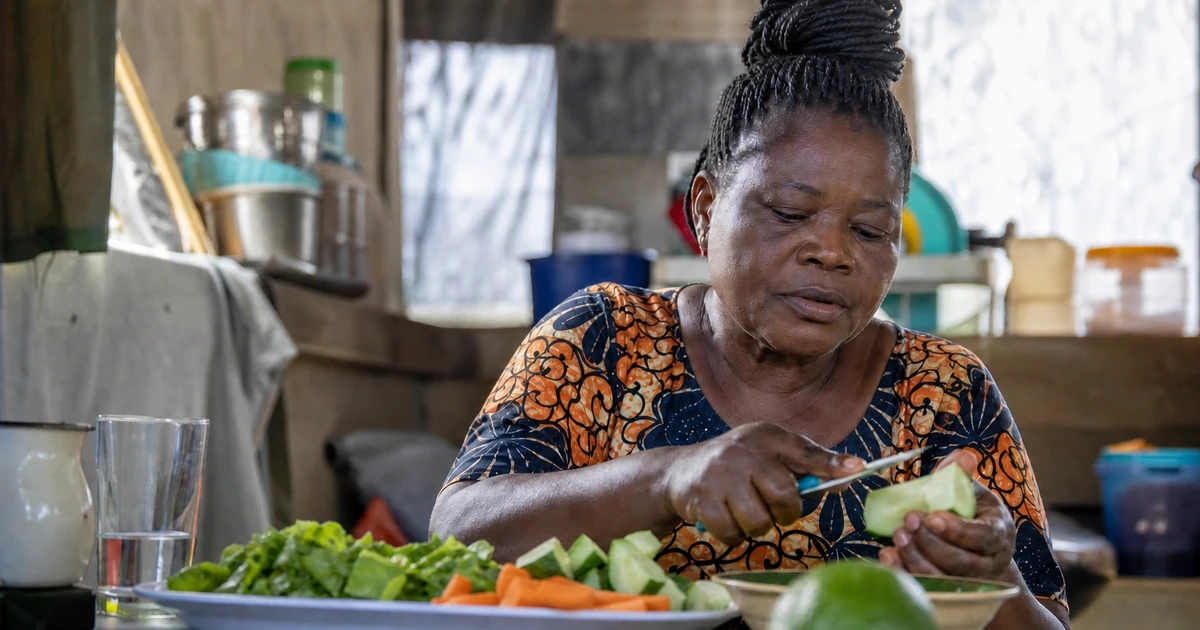
Let’s keep food simple and steady
As Ime, a pharmacist in Nigeria, one thing I see every week is this: you do not need expensive "special" foods to support steady blood sugar. What helps most is simple, consistent eating with familiar local meals.
Build your plate with foods we already eat
A practical guide for most meals: - Half your plate: vegetables like ugwu, okra, spinach, cabbage, garden egg, carrots, tomatoes, and green beans. - One-quarter: protein like beans, lentils, fish, eggs, chicken, lean beef, soy, or groundnuts. - One-quarter: smart carbs like brown rice, unripe plantain, sweet potato, oats, corn, yam (smaller portion), or whole-grain swallow when available.
Small swaps that make a real difference
- Take sugary drinks less often; choose water, or zobo with little or no added sugar.
- Choose grilled, boiled, baked, or steamed meals more often than deep-fried foods.
- Add extra vegetables to soups like ogbono, okra, and ewedu, and go lighter on oil.
- If you enjoy swallow, keep the portion smaller and increase the soup and vegetable part.
A simple daily rhythm for steadier sugar
Consistency beats perfection. - Eat at regular times so you do not get overly hungry and overeat later. - Pair carbs with protein and fibre to reduce sharp sugar spikes. - Keep snacks simple: groundnuts + fruit, yoghurt, garden egg, roasted corn, or boiled egg.
Sample day (flexible, not strict)
- Breakfast: oats with milk and banana slices, or moi-moi with fruit.
- Lunch: brown rice with fish stew and extra vegetables.
- Snack: groundnuts and orange.
- Dinner: vegetable soup with a small portion of swallow, or roasted plantain with egg.
Practical checklist for this week
- Plan 3 daily meals with a protein + vegetable combo.
- Buy at least 2 seasonal vegetables and 2 fruits on your next market run.
- Keep sugary drinks to no more than 1-2 times this week.
- Add beans, eggs, or fish to at least 4 meals this week.
- Keep swallow or rice portions around fist-size (or slightly smaller).
- Carry a water bottle and sip through the day.
Common mistakes I often see
- Skipping meals, then overeating later.
- Thinking healthy food must be expensive.
- Drinking too many calories from sweetened tea, malt, and soft drinks.
- Eating breakfast without protein, then feeling hungry again too quickly.
Quick answers I hear a lot
Is garri bad for blood sugar?
Not automatically. Portion size and pairing matter most. A smaller portion with vegetable-rich soup and protein is usually a better option than garri alone.
Is fruit too sweet if I am watching sugar?
Whole fruit is usually a better choice than sugary snacks or juice. Keep portions moderate and avoid taking very large amounts at once.
Is palm oil okay?
Small amounts can fit into a healthy meal. The issue is excess oil, which can raise calorie intake quickly.
Local tips for Nigerian households
- Buy in-season vegetables and fruits to save money.
- Keep staples like beans, eggs, oats, and frozen fish at home.
- Cook one healthy family pot and adjust portions per person.
- If you live with diabetes or high blood pressure, ask your pharmacist how to match meal timing with your medicines.
When to talk to a pharmacist
- You are making healthy changes but blood sugar still feels difficult to control.
- You take medicines that affect blood sugar and need help timing meals.
- You notice symptoms like unusual thirst, frequent urination, or unexpected weight loss.
Short disclaimer
This article is for general education only and does not replace medical advice. If you have symptoms or a medical condition, please speak with a qualified healthcare professional.
Need help? Chat with us on WhatsApp or contact us.

No comments yet. Login to start a new discussion Start a new discussion