Wellness & Prevention
Healthy Diet During Nigeria’s Outbreak Season: Practical, Safe Steps
Nigeria is facing multiple outbreaks. Here’s a practical, Nigeria-friendly guide to eating well, staying hydrated, and reducing risk without falling for myths.
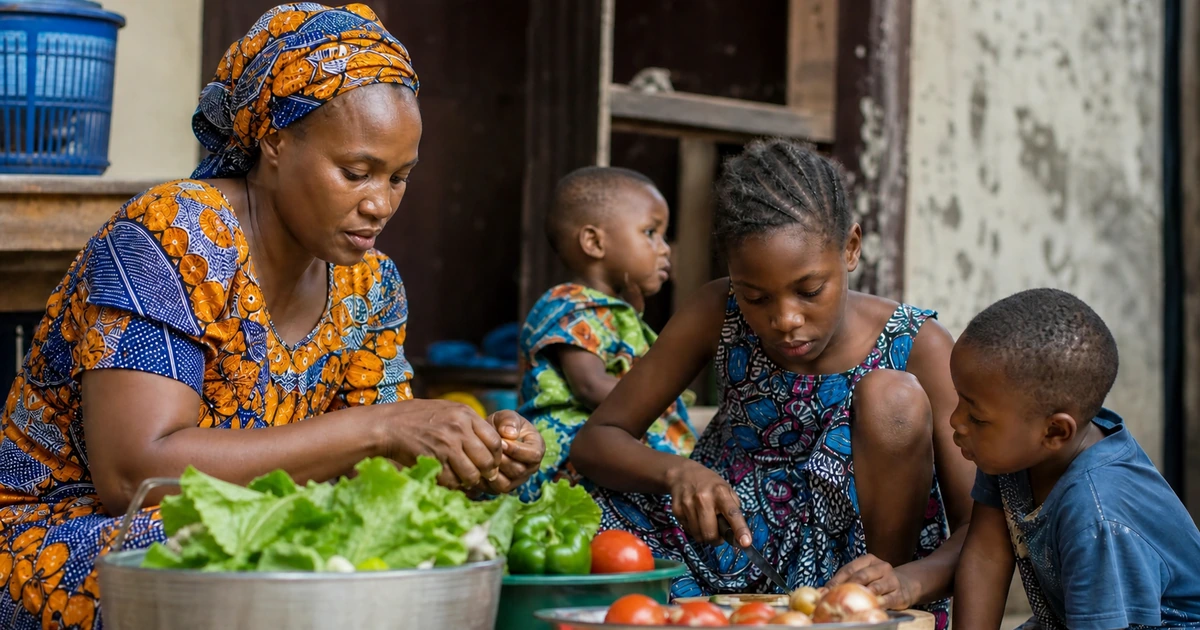
Healthy Diet During Nigeria’s Outbreak Season: Practical, Safe Steps
Outbreak season in Nigeria can be unsettling, especially when different illnesses are circulating at once. As a pharmacist, I always remind families of this: food will not cure infection, but good meals, safe water, and hygiene can support your immune system and reduce complications if someone falls sick.
Why food and hydration matter during outbreaks
When fever, diarrhoea, vomiting, or poor appetite show up, the body loses fluid and energy quickly. Eating nourishing meals and drinking safe fluids helps you: - maintain strength and energy - support recovery - reduce risk of dehydration - cope better with treatment and rest
Small, regular meals are often easier than one heavy meal when appetite is low.
Build a Nigeria-friendly wellness plate
Use what is affordable and available in your area. A practical plate can look like this: - Half plate: vegetables and fruits (ugu, ewedu, okra, waterleaf, carrots, garden egg, cucumber, oranges, banana, pawpaw, guava) - Quarter plate: protein (beans, lentils, eggs, fish, chicken, lean meat, soy) - Quarter plate: whole or minimally processed carbs (ofada or brown rice, unripe plantain, yam, corn, millet, oats, whole-grain bread) - Small amount of healthy fat (groundnut oil, avocado, nuts; use palm oil moderately)
If your budget is tight, focus on beans, local grains, and seasonal produce. Consistency beats perfection.
Safe water and food handling at home
Some outbreaks spread through contaminated food and water, so kitchen habits matter: - boil drinking water or use an approved water treatment method - wash fruits and vegetables with safe water - cook food thoroughly and reheat leftovers until steaming hot - keep cooked food covered to prevent flies and contamination - clean food prep surfaces, utensils, and hands regularly
Prevention still comes first
Nutrition helps, but it does not replace proven prevention. Keep vaccinations up to date, wash hands with soap often, use mosquito protection where needed, and avoid self-medication. If symptoms start, test early and speak with a qualified health professional.
Practical checklist (save this)
- Plan balanced daily meals: vegetables or fruits + protein + quality carbs
- Keep safe drinking water available at home and when outside
- Wash hands before eating and after using the toilet
- Clean kitchen counters, knives, and boards every day
- Store cooked food properly and reheat leftovers well
- Keep household mosquito control measures active where appropriate
- Confirm routine vaccines for children and adults are up to date
- If anyone feels unwell, seek proper medical assessment early
When to Seek Help
Go to a hospital or seek urgent care if you or your child has: - high fever that does not improve, especially with severe weakness - difficulty breathing or chest pain - confusion, stiff neck, or seizures - persistent vomiting or inability to keep fluids down - bloody diarrhoea or signs of severe dehydration (very little urine, dry mouth, dizziness) - widespread rash with fever, especially in children
Safety note
This article is for general information only and does not replace professional medical advice, diagnosis, or treatment. For personal guidance, please speak with a qualified doctor or pharmacist, especially if you are pregnant, elderly, managing a chronic condition, or caring for a young child.
Outbreak season can be stressful, but simple daily habits make a real difference: eat balanced meals, drink safe water, keep good hygiene, and seek care early when symptoms are serious.
Need help? Chat with us on WhatsApp or contact us.

No comments yet. Login to start a new discussion Start a new discussion