Vaccines & Travel Health
Nipah Virus Is Trending Again: Symptoms to Watch For (and Travel Tips Nigerians Can Actually Use)
Nipah virus is trending again. Here’s what Nigerians should know: symptoms, how it spreads, travel precautions, and when to seek urgent care—without panic.
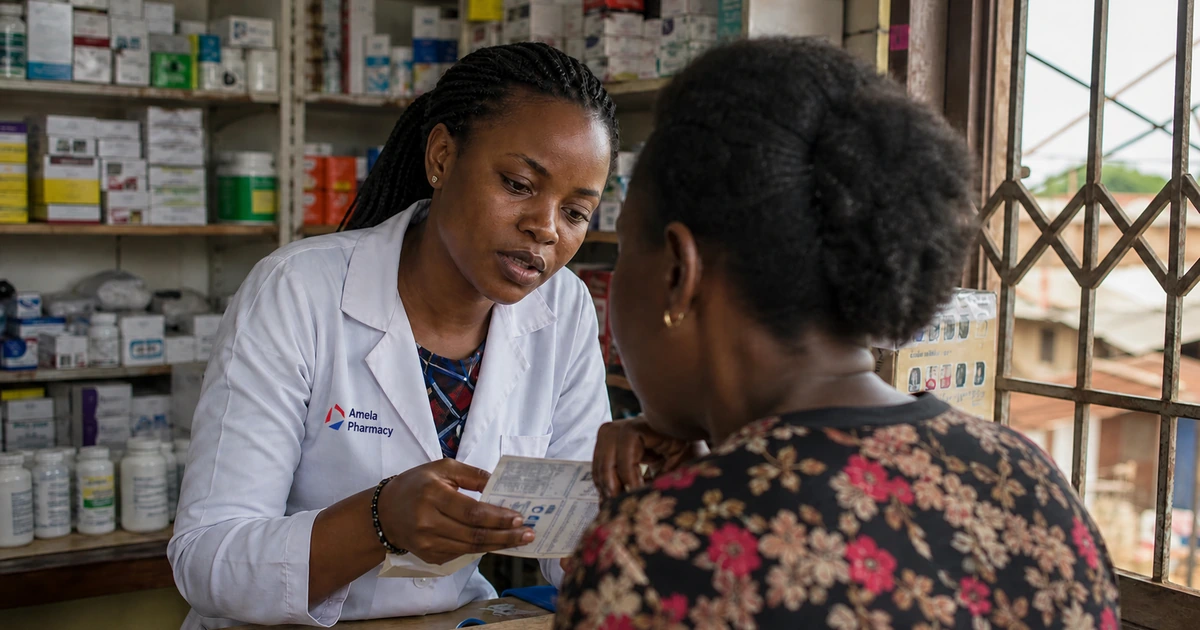
You may have heard about Nipah virus again. It is not a reason to panic, but it is serious enough to handle with clear information and calm action, especially if you travel often or have loved ones who do.
As a pharmacist in Nigeria, my goal is simple: help you know what to watch for, what actually increases risk, and what to do early.
Why this matters in Nigeria
Even if you are in Uyo, Lagos, Abuja, or Port Harcourt, global movement affects local health. People travel in and out of the country every day, and illness can move quietly before anyone realises.
The point is not fear. The point is preparation.
What exactly is Nipah virus?
Nipah is a virus that can cause anything from mild illness to severe disease. In serious cases, it can affect the lungs and the brain (encephalitis).
Important: this is not something to self-treat with random antibiotics or herbal mixtures at home.
How Nipah spreads (plain language)
Nipah is a zoonotic infection, meaning it can pass from animals to humans. It can spread through:
- direct contact with infected animals, especially fruit bats and sometimes pigs
- food or drinks contaminated by infected animals
- close contact with an infected person's body fluids, especially during caregiving
For everyday life, brief casual contact usually is not the typical story. Most suspected cases have a clearer exposure link.
Symptoms to watch for
Early symptoms can look like common illnesses:
- fever
- headache
- body weakness
- sore throat or cough
- breathing difficulty in some cases
If illness becomes severe, warning signs of brain involvement may appear:
- unusual drowsiness or confusion
- seizures
- reduced consciousness
Timing matters
Symptoms often appear within a few days to about two weeks after exposure, though longer incubation can happen. That is why recent travel and contact history should always be shared with a clinician.
Practical checklist if you feel unwell after travel
- [ ] Note your symptom start date.
- [ ] Write down where you travelled and when.
- [ ] Reduce close contact at home (no sharing cups, bottles, or utensils).
- [ ] Call ahead before visiting a clinic if symptoms are worsening.
- [ ] Avoid self-starting antibiotics; they do not treat viral infections.
- [ ] Test for common causes of fever early instead of guessing.
Simple travel habits that reduce risk
- wash hands regularly, especially before eating
- avoid fruits that look bitten, damaged, or poorly handled
- avoid sharing drinks while travelling
- keep distance from visibly sick people where possible
- use basic hygiene protection when caring for an ill person
These habits protect against many infections, not only Nipah.
When to Seek Help
Go to a hospital urgently if you or someone you are caring for has:
- trouble breathing
- confusion, unusual sleepiness, or collapse
- seizures
- very high fever that is not settling
- severe headache with neck stiffness
Urgency is even higher if there was recent travel or close contact with a severely ill person.
What your pharmacist can help with
Your pharmacist can help you prepare a sensible travel health plan, including:
- a thermometer for accurate monitoring
- safe fever and pain relief guidance
- hydration support
- hygiene essentials for home and travel
If symptoms are severe, hospital care is the right next step.
Disclaimer
This article is for general education and does not replace a personalised medical assessment. If you are worried about your symptoms, please speak with a qualified health professional promptly.
Need help? Chat with us on WhatsApp or contact us.

No comments yet. Login to start a new discussion Start a new discussion