Vaccines & Travel Health
Missed a Vaccine Appointment? Here's the Next Safe Step
One missed clinic date does not mean starting from scratch. Here is the calm next step for parents and adults who have fallen behind on vaccines.
Reviewed by: Amela Pharmacy team, Uyo Last updated: 3 Apr 2026
You remember the immunisation card only after the child is already dressed for school. Then rain starts, keke fare goes up somehow, and the clinic plan quietly shifts to "next week". Before you know it, next week has become next month.
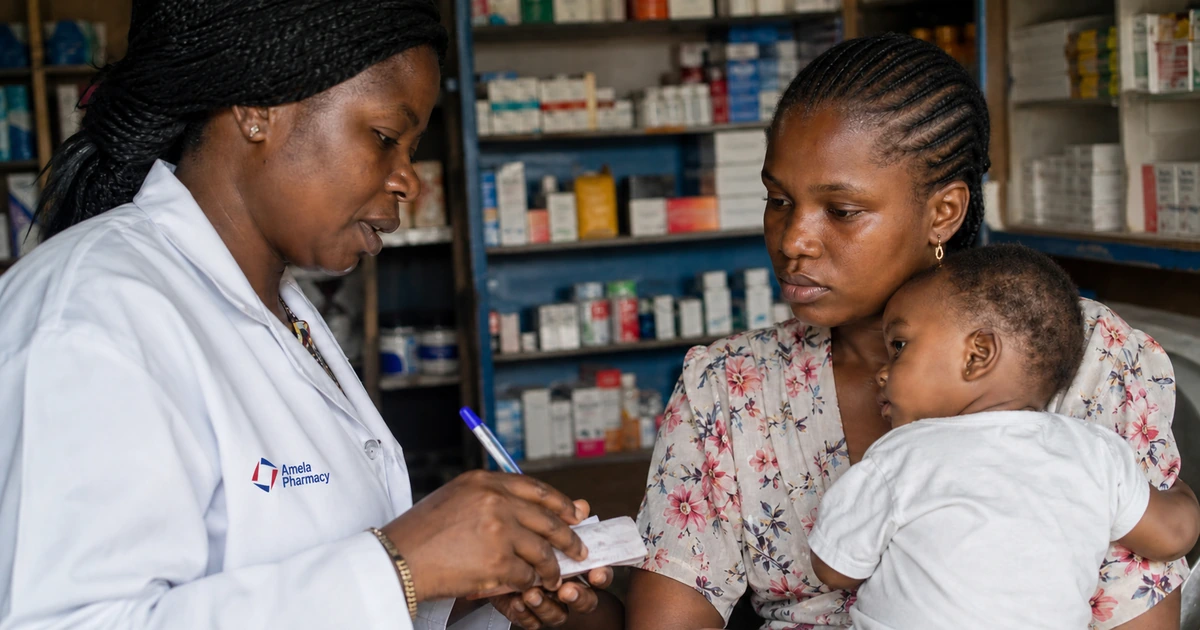
We hear this a lot at the counter. Someone stops by after market, child on one arm, asking with that small guilty smile, "We missed the date. Do we need to start all over?"
Most times, no. Missing a vaccine appointment usually means you need a catch-up plan, not a fresh start. The main thing is not to keep pushing it forward.
First, take a breath
Most routine vaccine series continue from where they stopped. Put simply: if a dose was delayed, the next step is usually to continue with the remaining doses at the right interval, not go back to day one.
That said, the exact plan still depends on age, which vaccines have already been given, and whether you have a written record. A newborn, a toddler, a teenager due for HPV, and an adult who missed a tetanus booster are not all working from the same schedule.
So the safest move is simple: find the immunisation card, take it along, and let the clinic work out the proper catch-up schedule.
Why it is worth sorting out soon
A missed date is not a moral failing. Life happens.
But the sooner you catch up, the sooner protection gets back on track. Delays can leave babies, children, and adults with a longer gap than planned, especially for infections that spread easily. Some vaccines for very young babies also have tighter timing rules, so it is better to ask early instead of assuming you can sort it out much later.
That is also why "we will go when things calm down" can quietly become a problem. Between school runs, shop hours, market days, and the usual back-and-forth of daily life, calm does not always show up on time.
Your catch-up checklist
If you or your child has missed a vaccine date, do this:
- Find the vaccination card or any written record you have.
- Check which appointment or dose was missed, even if you are not sure of the vaccine name.
- Visit your nearest health clinic or government primary health centre as soon as you can.
- Tell the staff the appointment was missed and ask for a catch-up plan, not a restart.
- If the card is missing, say so early so they can advise you on the next best step.
- Save the new date immediately in your phone or on the calendar at home.
In Nigeria, routine childhood immunisation is available free at government health facilities. If transport, work hours, or school runs delayed you the first time, try not to wait for one "perfect" week before going back. Those perfect weeks are rare.
If the card is missing
Do not panic, and do not fill in dates from memory as if you are sure when you are not. Bring any old clinic slip, booklet, discharge paper, phone photo, or previous record you can find.
A clinic may be able to help piece things together from written information. If records really cannot be found, the next step is still to speak with a qualified health worker rather than guessing at home. The goal is safe catch-up, not trial and error.
What people often get wrong
A missed appointment can lead to a few avoidable mistakes.
- Waiting until several doses have piled up before asking for help.
- Assuming one missed date means the whole series is useless.
- Going by memory when there is a card or clinic record somewhere.
- Giving medicines "just in case" before the appointment without being told to do so.
- Deciding to skip a vaccine because the child had a mild cold last time.
That last one comes up often. A small cold without a temperature is not usually a reason to cancel a vaccination visit. If there is a proper fever or the child is clearly unwell, call ahead or ask the clinic first.
If the child is a bit sick, should you still go?
This is where many families pause.
If a baby or child has a minor illness without a temperature, vaccination can often still go ahead. Think mild catarrh, a small runny nose, or the sort of everyday sniffle that still leaves them active and feeding reasonably well. If there is moderate or severe illness, a high temperature, or something that worries you, get advice before the injection day.
Adults need the same common-sense approach. Feeling slightly off is different from being properly ill.
One small warning: some vaccines for very young babies have tighter age windows than others. So if the missed appointment was in early infancy, do not sit on it. Go back quickly and get clear advice.
What about older children, teens, and adults?
Catch-up vaccination is not only a baby matter.
Older children may need to complete missed routine doses. Teen girls who missed an HPV appointment should ask about the next available dose rather than assuming the moment has passed. Adults may also need certain vaccines or boosters depending on age, pregnancy, work, travel plans, or a wound that raises tetanus concerns.
This is where written records help a lot. If you are not sure what was taken years ago, do not guess boldly. Bring whatever documents you have and let a clinician sort it out properly.
After the shot, what is normal?
Most vaccine side effects are mild and short-lived. A sore arm, slight swelling where the injection went in, mild fever, tiredness, fussiness, or feeling somehow for a day or two can happen.
That does not mean the vaccine "caused the disease". It usually means the body is responding and building protection.
One mum once told us she nearly swore off vaccines completely because her child cried through the whole keke ride home after an appointment. By the next day, that same child was back to asking for biscuits and cartoons. Rough day, yes. Disaster, no.
When to seek urgent help
Get urgent medical help after a vaccination if you or your child develops:
- difficulty breathing
- swelling of the lips, tongue, or face
- collapse, extreme weakness, or trouble waking up
- a seizure
- symptoms that are rapidly getting worse instead of settling
Also seek prompt medical care if the person was already ill before the visit and now looks significantly worse, especially a young baby with fever, poor feeding, repeated vomiting, or unusual sleepiness.
A calmer way to stay on track next time
If missed appointments keep happening in your home, make the system easier on yourself.
- Keep the immunisation card in one fixed place, not in the "safe place" nobody can find later.
- Snap a clear photo of the card as backup.
- Put the next date into two places: your phone and a paper calendar.
- If another adult may take the child, tell them the plan ahead of time.
- Ask the clinic if there are outreach days or easier hours for follow-up.
Small systems usually beat good intentions.
The bottom line
Missing a vaccine date is common. It is not the end of the road, and it usually does not mean starting over. What matters is getting proper catch-up advice quickly, using written records where possible, and not letting one missed visit turn into a long gap.
Disclaimer
This article is for general health education only and does not replace medical advice. Vaccine schedules depend on age, previous doses, health conditions, pregnancy status, and sometimes travel plans. For an exact catch-up plan, speak with a qualified clinician and take your vaccination record with you.
Sources & further reading
- UNICEF Nigeria: Frequently Asked Questions on Immunization
- WHO: Recommendations for Interrupted or Delayed Routine Immunization
- CDC: Timing and Spacing of Immunobiologics
- NHS: Booking Your Child's Vaccination Appointment

No comments yet. Login to start a new discussion Start a new discussion