Stomach & Digestive Health
Power Cut Last Night? Check Leftovers Before You Reheat
That pot of soup may smell fine after a blackout, but smell is a terrible safety test. Use this simple rule before reheating anything.
Reviewed by: Amela Pharmacy team, Uyo Last updated: 10 Apr 2026
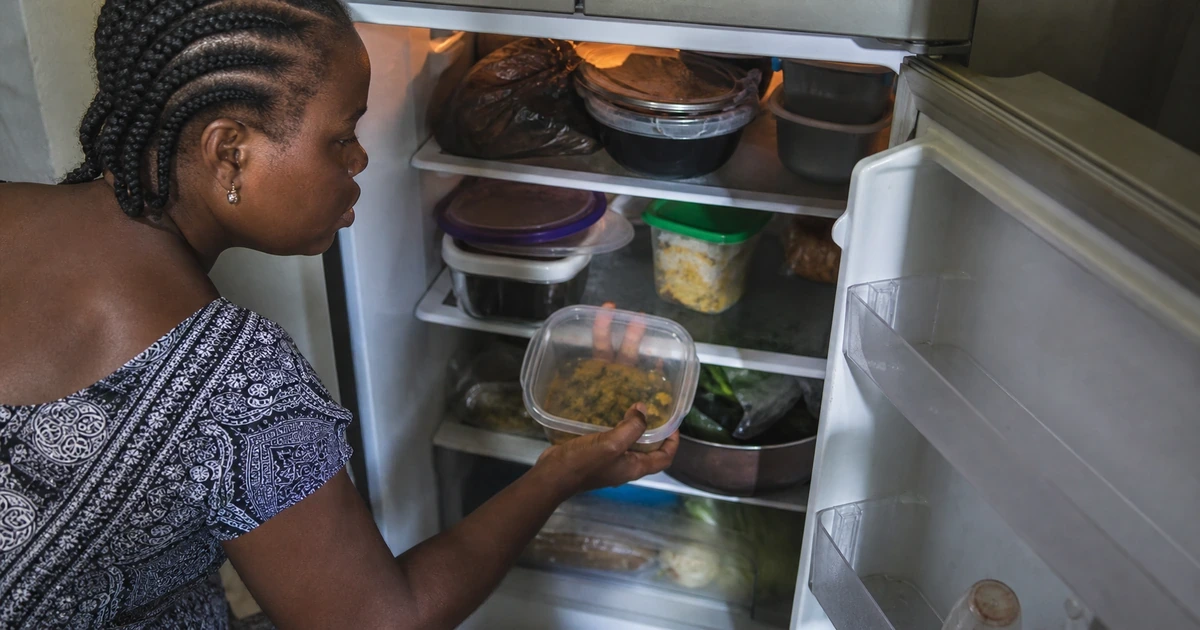
You hear this one often at the pharmacy counter: NEPA took light in the night, the fridge lost its chill, and now one pot of stew is waiting for judgment.
If you remember only one thing, make it this: your nose is not a food-safety tool. Food can look normal, smell okay, and still give you stomach trouble later.
One woman came in after a market run, laughing small but clearly worried. The generator had stopped before dawn, the chicken stew was cool by morning, and she wanted to know if proper reheating would save it. Not every time.
The simple kitchen rule
If the fridge stayed closed and power was out for less than 4 hours, chilled food is often still safe. Once it passes 4 hours, you need to be much stricter with perishable foods.
Use this quick check:
- Throw away cooked leftovers, meat, fish, eggs, milk, soft dairy, cut fruit, and cut vegetables if they stayed in a warming fridge for more than 4 hours without ice or another cold source.
- Keep the fridge and freezer doors closed as much as possible during the outage.
- A full freezer may keep its temperature for about 48 hours if you do not open it; a half-full freezer for about 24 hours.
- Frozen food that still has ice crystals or still feels properly cold can usually be cooked or refrozen.
- Never taste food just to test it. If you are not sure, throw it away.
The foods people most often gamble with
The usual suspects are rice, stew, soup, beans, meat pies, cooked chicken, and that small bowl of jollof someone kept for later. In hot weather and rainy-season humidity, germs multiply faster. Reboiling can make food piping hot again, but it does not reliably undo what happened while the food sat at an unsafe temperature.
If you already ate it
Do not panic. Many mild cases settle with rest and enough fluids. Start sipping water early. If vomiting or diarrhoea starts, oral rehydration solution can help replace the water and salts lost quickly, especially in children and older adults.
Avoid random antibiotics or mixing two different anti-diarrhoea medicines because someone recommended them. If the symptoms are significant, let a pharmacist or clinician guide the next step.
When to seek urgent help
Get medical help quickly if you or your child has:
- repeated vomiting and cannot keep fluids down
- bloody diarrhoea
- high fever or severe stomach pain
- severe weakness, confusion, fainting, or unusual drowsiness
- very dark urine or is passing much less urine than usual
- fast breathing, a racing heartbeat, or worsening dizziness
- diarrhoea in a baby, an older adult, or someone who is pregnant or already unwell
A few habits that save trouble
Before the next outage, make things easier:
- refrigerate leftovers within 2 hours of cooking
- divide hot soup or stew into smaller containers so it cools faster
- keep a small cooler and ice packs ready if blackouts are common where you live
- wash your hands well before handling food, and keep raw meat away from cooked food
- use safe water for drinking, ice, and food prep
Quick disclaimer: this article gives general health information, not personal medical advice. If symptoms are severe, do not go away, or you are worried about a child, pregnancy, or an older family member, seek professional care promptly.
Sources & further reading
- CDC: Keep food safe after a power outage
- WHO: Five keys to safer food
- NCDC: Stop cholera public health advisory
- NHS: Food poisoning
When the kitchen feels doubtful, caution is still cheaper than a clinic visit.

No comments yet. Login to start a new discussion Start a new discussion