Stomach & Digestive Health
Cholera Season Prep: Safe Water, ORS, and When to Seek Help
With cholera control in the news and Nigerians searching for healthier habits, here’s a clear, practical guide to prevention, ORS use, and urgent warning signs.
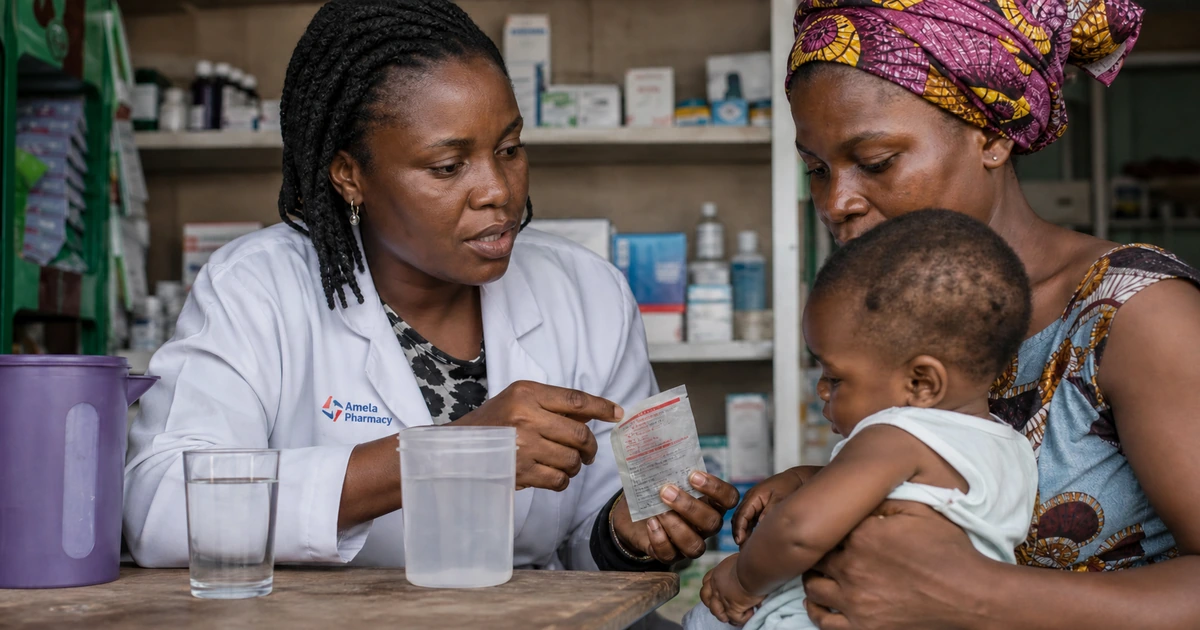
Cholera is preventable, but it can become dangerous very fast if fluid loss is not replaced early. As a pharmacist here in Nigeria, I have seen how simple daily habits make a big difference: safe water, proper handwashing, and quick use of ORS when diarrhoea starts. If every home prepares ahead, we can prevent panic and protect lives.
What cholera is and how it spreads
Cholera is an infection that causes sudden watery diarrhoea, and sometimes vomiting. The biggest risk is dehydration, which can develop within hours.
It spreads through: - Unsafe drinking water - Food prepared with contaminated water - Poor hand hygiene after using the toilet - Unclean shared toilets and surfaces
Children, older adults, and people with weaker immunity are often hit harder, but anyone can be affected if exposed.
Why preparing early matters
Many people wait until there is an outbreak during outbreaks before taking precautions. But the truth is, the same everyday habits that prevent cholera also protect your family from many stomach infections all year.
Preparation is easier than emergency care. If clean water and ORS are already available at home, you can respond quickly and safely.
Practical checklist for cholera season
Keep this where everyone at home can see it:
- Make your water safe
- Boil water for at least 1 minute, then cool and store it covered.
- If you cannot boil, use approved water treatment products exactly as directed.
- Store treated water in clean, covered containers, preferably with a narrow mouth or tap.
- Wash hands well and often
- Use soap and safe water for at least 20 seconds.
- Key times: after toilet use, before cooking, before eating, and after changing a child.
- Handle food carefully
- Eat food freshly cooked and still hot.
- Wash fruits and vegetables with safe water.
- Keep cooked food separate from raw food.
- Avoid raw or undercooked seafood.
- Keep toilets and surroundings clean
- Clean toilets regularly with disinfectant.
- Dispose of waste and diapers properly.
- Keep drainage areas clear to reduce contamination risk.
- Keep ORS at home
- Have ORS sachets ready, especially if you have children or elderly relatives.
- Mix ORS exactly as instructed on the sachet.
- Give small, frequent sips once diarrhoea starts, even if there is some vomiting.
- Watch for early warning signs
- Sudden watery diarrhoea
- Vomiting
- Intense thirst or dry mouth
- Weakness, dizziness, or reduced urine
ORS made simple (if sachets are not available)
If ORS sachets are unavailable, you can prepare a temporary home solution: - 1 litre of clean, safe water - 6 level teaspoons of sugar - 1/2 level teaspoon of salt
Mix until fully dissolved. Give small sips frequently. This is first aid, not a replacement for proper medical care.
When to seek help
Go to a clinic or hospital urgently if you notice any of these: - Very frequent watery diarrhoea that is not slowing - Repeated vomiting that prevents drinking - Signs of severe dehydration: very dry mouth, sunken eyes, fast heartbeat, confusion, fainting, or extreme weakness - Very little or no urine for many hours - Bloody stool - A baby or young child with diarrhoea who is feeding poorly
Please do not wait it out at home when danger signs appear. Early treatment saves lives.
Supporting recovery at home (when improving)
If the person is getting better and can drink: - Continue ORS and other safe fluids after each loose stool - Reintroduce light meals like pap, rice, soups, or banana as appetite returns - Encourage rest - Maintain strict hand hygiene to prevent spread to others - Wash cups, plates, and utensils properly with soap and safe water before reuse
Protecting your community
Cholera control is not only a household issue. Community action matters too: - Encourage neighbours to treat and safely store water - Share accurate health information and avoid rumours - Report suspected clusters of severe diarrhoea early to local public health teams - Support clean environment and sanitation efforts in your area
Safety disclaimer
This article is for general health education and does not replace professional medical advice, diagnosis, or treatment. If you or someone near you has symptoms of cholera or severe diarrhoea, seek professional care immediately.
Cholera is serious, but with early action it is preventable and treatable. Safe water, good hygiene, and prompt rehydration can protect your family.
Need help? Chat with us on WhatsApp or contact us.

No comments yet. Login to start a new discussion Start a new discussion