Skin, Hair & Beauty
Sunscreen in Nigeria: A Daily Routine That Works for Every Skin Tone
Dark spots, sunburn, and uneven tone can start with one ordinary day outside. Here is a practical Uyo-friendly sunscreen routine you can actually keep.
Reviewed by: Amela Pharmacy team, Uyo Last updated: 22 Feb 2026
By midday in Uyo, we hear the same line at the counter: I was outside for just a short while. Then we see tight skin, burning cheeks, or stubborn dark patches that seem to get darker after an ordinary day.
If sunscreen has ever felt confusing, expensive, or like one more thing on an already busy morning, this guide is for you. The goal is not a 12-step skincare routine. The goal is simple daily protection that survives real life.
Last week, a customer came in after a quick market run and one keke trip. She used a nice moisturiser, but it had low SPF and she applied it once at 7am. By evening, her nose and cheekbones were stinging, and old marks looked darker. That small routine gap is common. And fixable.
Why sunscreen matters here, even on cloudy days
Sun damage comes from ultraviolet rays, not from feeling hot alone. So even when weather looks mild, your skin can still be taking a hit during school runs, pharmacy errands, and waiting outside for transport.
In Nigeria, many people think sunscreen is only for beach days or very fair skin. That idea causes problems. Darker skin tones have more natural melanin, which gives some protection, but not complete protection. You can still get sunburn, uneven tone, worsening hyperpigmentation, and long-term skin damage.
Another local reality is timing. If you spend time outdoors from late morning to afternoon, UV exposure adds up quickly. A short okada ride, market stop, and ten minutes in open sun can be enough to irritate already sensitive skin.
Pick one sunscreen that matches your daily life
You do not need ten options. One good sunscreen you can afford and use every day beats a fancy one that stays untouched on the shelf.
Use this quick buying checklist:
Broad-spectrumon the label so it covers UVA and UVB.SPF 30or higher for everyday use.- A texture you will wear consistently: gel for oily skin, cream or lotion for dry skin, lighter fluid for very humid days.
- Water-resistant if you sweat a lot or stay outdoors for long.
- Expiry date checked. Old sunscreen protects poorly.
If your skin is acne-prone or reactive, patch-test first for a few days. If you notice strong stinging, rash, or severe breakout, stop and ask a pharmacist for alternatives.
How much should you apply?
Most people under-apply, then conclude sunscreen does not work. Quantity matters more than many people realise.
For face and neck, a practical guide is the two-finger amount. For full exposed body, you need much more than a tiny dot. Cover often-missed areas too: ears, neck, back of hands, and top of feet if you wear open shoes.
And one morning layer is not an all-day shield. If you are outdoors, reapply about every two hours, or sooner after heavy sweating and towel wiping.
A morning routine you can keep, even on busy days
Think of sunscreen as your last step before leaving home, like picking your keys.
- Cleanse or rinse, then apply moisturiser if you use one.
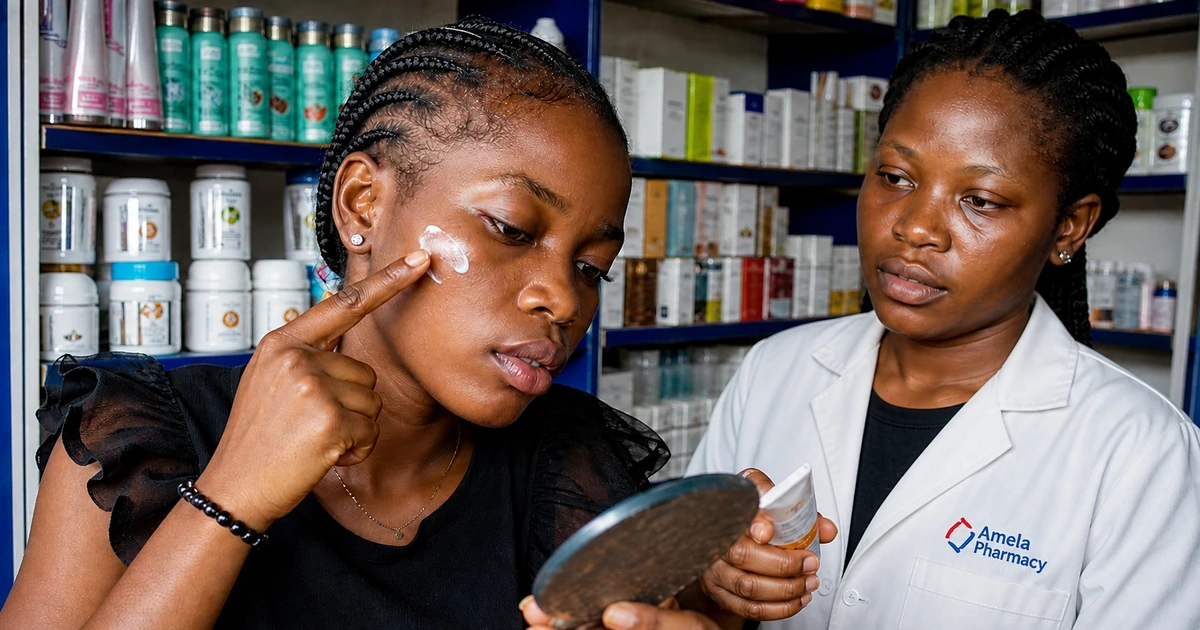
- Apply sunscreen generously to face, neck, ears, and all exposed skin.
- Wait briefly before makeup so it settles better.
- Keep a small tube in your bag for midday reapplication.
- Reapply before your return trip if you have been out since morning.
- For children going out, use hats and clothing plus sunscreen on exposed skin.
- Babies under 6 months should be kept out of direct strong sunlight; get professional advice before using sunscreen on infants.
One practical trick: set a gentle phone reminder for reapplication on long days. It sounds small, but it works.
Quick myth checks before you skip sunscreen
These myths are very common, and they quietly undo good skincare.
- I only need sunscreen at the beach.
- Cloudy weather means no UV risk.
- Dark skin cannot burn or get sun damage.
- Makeup with SPF is enough for long outdoor exposure.
- If I applied once in the morning, I am covered till evening.
Real-life fix: use sunscreen daily, then add shade, hats, and clothing when the sun is strong. Sunscreen is important, but it works best as part of a full protection habit.
If you wear makeup or keep facial hair
You can still protect your skin without starting from scratch at noon.
If you wear makeup, reapply with a sunscreen format you can tolerate, such as a light fluid, stick, or careful top-up method that does not force you to redo your whole face. If you keep facial hair, press sunscreen into exposed skin around beard lines, ears, and neck. Those areas are often skipped.
No routine is perfect every day. Consistency beats perfection.
Common mistakes that quietly cancel protection
Even smart people make these. Pharmacy counters are full of these stories.
- Applying only to cheeks and forehead, then skipping ears, neck, eyelids, and hairline.
- Using too little because you want to avoid white cast.
- Relying on makeup SPF alone for full-day sun exposure.
- Storing sunscreen in extreme heat, like a car dashboard during hot afternoons.
- Applying once in the morning and never reapplying.
- Assuming your skin tone gives complete protection.
If white cast is your biggest issue, ask for tinted or better-blend formulas. The best sunscreen is the one you will actually wear correctly.
Extra tips for Uyo weather and power-cut days
Heat, sweat, and humidity can make any skincare step annoying, so keep it practical.
- Choose lighter textures for daytime and humid periods.
- Blot sweat gently instead of hard rubbing, then reapply.
- Store sunscreen in a cool, shaded spot at home, not near windows or generator heat.
- If NEPA takes light and the room gets hot, move sunscreen to the coolest cupboard area.
This is not about perfection. It is about reducing skin damage day by day.
When to seek urgent help
Most irritation settles with cooling and protection, but some signs need prompt medical care.
- Severe sunburn with large blisters.
- Fever, dizziness, vomiting, or confusion after heavy sun exposure.
- Eye pain, light sensitivity, or vision changes.
- Skin swelling that is getting worse quickly.
- A mole or dark spot that changes shape, colour, or starts bleeding.
- A child who becomes unusually drowsy, irritable, or dehydrated after heat exposure.
If any of these happen, seek urgent care quickly.
A short safety note
This article is for general health education and does not replace individual medical assessment. If you have a skin condition, are pregnant, caring for an infant, or react badly to a product, speak with a qualified clinician or pharmacist for personalised guidance.
Sources & further reading
- WHO: Radiation - Protecting against skin cancer
- NHS: Sunscreen and sun safety
- CDC: Reducing Risk for Skin Cancer
- FDA: Tips to Stay Safe in the Sun
Small daily steps protect your skin better than occasional perfect days.

No comments yet. Login to start a new discussion Start a new discussion