Skin, Hair & Beauty
Harmattan Skin Care in Nigeria: Simple, Affordable Fixes for Dry Skin and Lips
Harmattan can leave skin tight, ashy and itchy. Here’s a practical, Nigeria-friendly guide to moisturising well, protecting lips, and avoiding common mistakes.
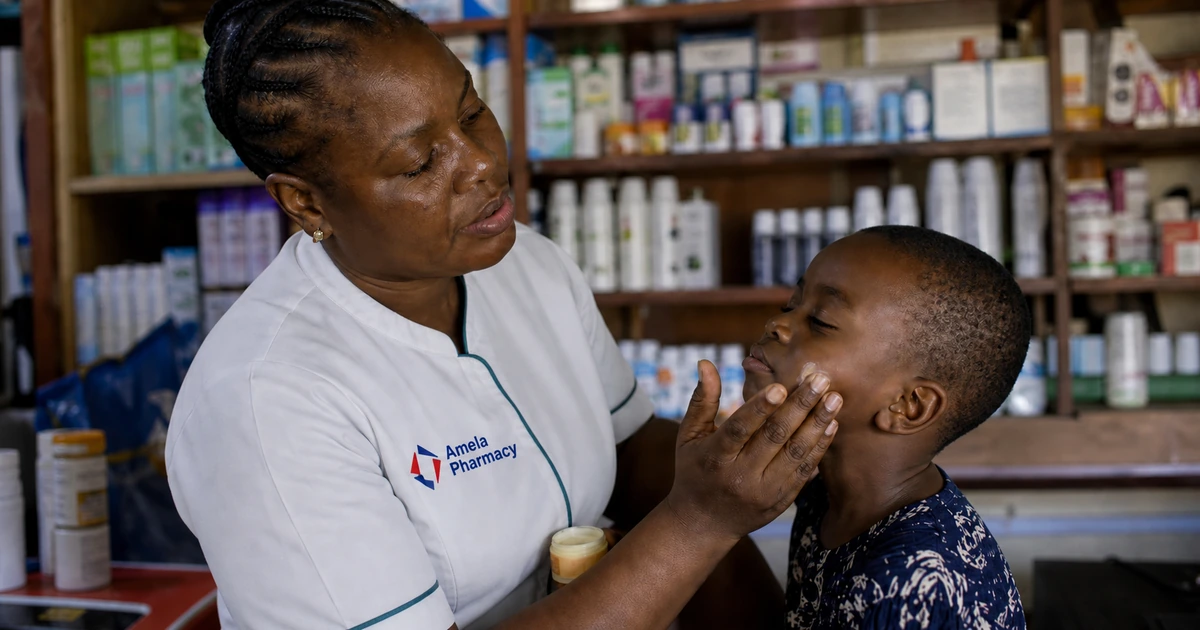
Reviewed by: Ime, Pharmacist at Amela Pharmacy, Uyo
Last updated: 13 Feb 2026
Harmattan can sneak up on you. One week your skin feels fine, then suddenly your lips are cracking, your knuckles look dusty, and your body feels itchy after every bath. You are not imagining it. During harmattan, dry air and dust pull moisture out of the skin much faster than usual.
The good news is simple: you do not need expensive products or a long routine. With the right habits and the right product textures, you can keep your skin comfortable all season.
Why harmattan can make skin feel tight and itchy
Harmattan air is dry, and that dryness weakens your skin barrier. Add dust, frequent washing, and very hot baths, and your natural oils disappear quickly. The result is skin that feels rough, looks ashy, and may even crack.
If you already have eczema or sensitive skin, this season can trigger more flare-ups, so gentle care becomes even more important.
A simple routine that works morning and night
Think protect and repair.
Morning
- Wash with lukewarm water and a mild cleanser.
- Pat your skin dry instead of rubbing hard.
- Apply a moisturizer while skin is still slightly damp.
- Use lip balm.
- If you will be outdoors, apply sunscreen on exposed skin.
Night
- Cleanse gently to remove dust and sweat from the day.
- Moisturize again, and use a thicker cream or ointment at night.
- Apply lip balm before bed.
- For very dry hands or feet, seal with ointment and wear cotton socks or gloves overnight.
Small daily steps work better than occasional heavy treatments.
Practical harmattan checklist
Use this as a weekly check-in:
- Keep bath water warm, not hot.
- Use a gentle cleanser and reduce strongly perfumed products if your skin reacts easily.
- Moisturize within 3 minutes after bathing.
- Reapply moisturizer to hands after washing.
- Use petroleum jelly or a thick lip balm morning and night.
- Wear breathable cotton under layers to reduce friction and sweat irritation.
- Drink water regularly through the day.
- Avoid long soaking baths.
- Keep a small moisturizer in your bag, car, or office drawer.
Common mistakes that make dryness worse
Using very harsh soaps
Many antibacterial soaps are too stripping in harmattan. Choose mild, non-drying cleansers.
Moisturizing only once daily
In this weather, twice daily is a better baseline. Hands may need extra reapplication.
Licking dry lips
It feels helpful for a moment, but it dries lips out further. Use balm instead.
Scrubbing flaky skin aggressively
Hard scrubbing can damage your skin barrier. Keep exfoliation gentle and infrequent.
Using alcohol-heavy toners
If your skin feels tight or stings after use, that product may be too harsh for this season.
What helps with ashiness on darker skin
Ashiness is very common in melanin-rich skin during dry weather. It is not a sign of poor hygiene.
- Creams and ointments usually control ashiness better than light watery lotions.
- Oils can help seal moisture if applied on damp skin, but oil alone is not a full moisturizer.
- A useful layering method is moisturizer first, then a light layer of oil.
Scalp and hair care during harmattan
Your scalp is skin too, so it can also get dry and itchy.
- Wash with a gentle shampoo and avoid very hot water.
- If you have dandruff, use an anti-dandruff shampoo as directed.
- Avoid scratching the scalp to prevent cuts and irritation.
- If you wear protective styles, keep the scalp moisturized without heavy product buildup.
How to choose products without overspending
Price is not everything. Focus on ingredients and texture.
- Humectants like glycerin help attract water to the skin.
- Emollients like ceramides help smooth and soften skin.
- Occlusives like petrolatum help lock moisture in.
If your skin is sensitive, go for fragrance-free options. If a product keeps stinging or causing irritation, stop using it and ask a pharmacist for alternatives.
When to Seek Help
Dry skin is common in harmattan, but some symptoms need prompt medical attention:
- Painful cracks that bleed or do not heal.
- Skin that is hot, swollen, tender, or leaking pus.
- Itching so severe that it affects your sleep.
- A rash that spreads quickly, blisters, or becomes painful.
- Swelling of the face, lips, or tongue, or any breathing difficulty after using a product.
Short disclaimer
This article is for general health information and does not replace personal medical advice. If symptoms persist, worsen, or you are unsure what is safe for your skin, speak with a qualified healthcare professional.
Need help? Chat with us on WhatsApp or contact us.

No comments yet. Login to start a new discussion Start a new discussion