Sexual Health & STIs
STI Testing in Nigeria: What to Expect and How to Prepare
STI testing doesn’t have to be awkward. Here’s what to expect, how to prepare, and when to get checked so you can take care of your health with confidence.
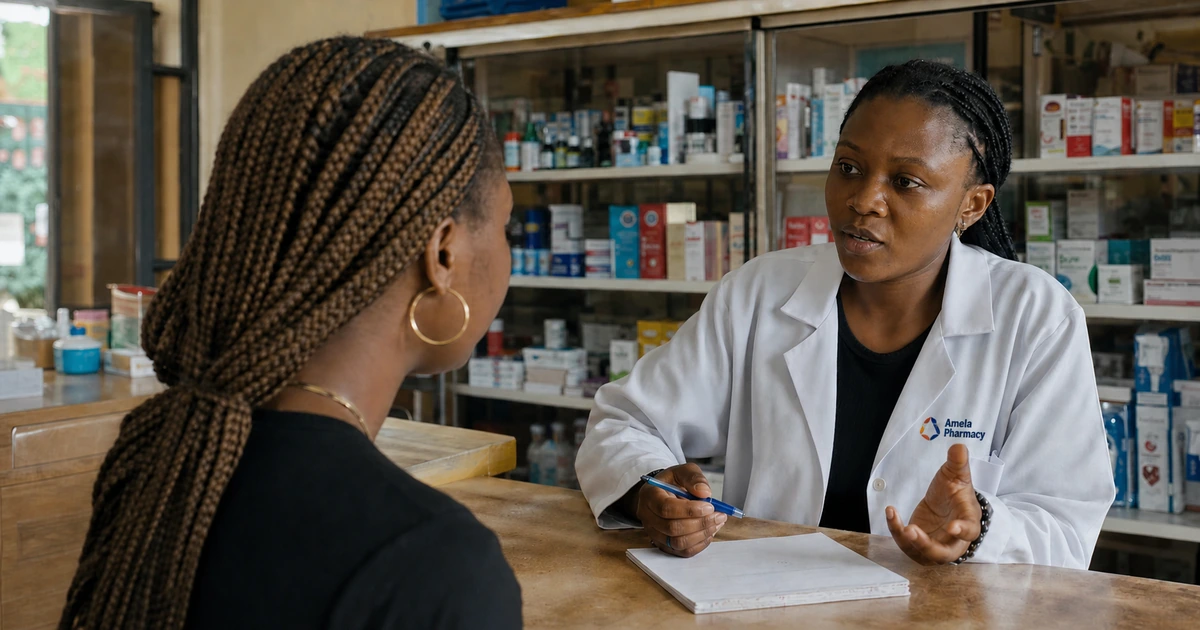
Reviewed by: Amela Pharmacy team, Uyo
Last updated: 7 Feb 2026
If you've ever lowered your voice at the pharmacy counter and said, 'Please, I just want to check something,' you're not alone. In real life, most people asking about STI testing want the same thing: privacy, clarity, and quick support without judgement.
I always tell people this: STI testing is normal adult healthcare. It may feel awkward at first, but it should never feel confusing.
Why testing matters even when you feel fine
Many STIs do not cause obvious symptoms early on. You can feel fine and still have an infection. Left untreated, some STIs can lead to complications like fertility problems, pregnancy risks, or a higher chance of passing infections to a partner.
Knowing your status early gives you options, peace of mind, and a clear next step.
When to consider STI testing
Testing is a smart move if any of these apply to you:
- You are sexually active and have never tested before.
- You have a new partner, or more than one partner.
- A partner has symptoms or has tested positive for an STI.
- You are pregnant or planning pregnancy.
- You had oral or anal sex and want testing at the right body site.
- You noticed symptoms after unprotected sex.
What to expect at a clinic or pharmacy referral point
Most sexual health visits are straightforward:
- A clinician asks a few private questions about symptoms and sexual history.
- You are offered tests that match your situation.
- Samples may include urine, blood, and swabs depending on exposure and symptoms.
- You get guidance on when results will be ready and what to do next.
You can ask for a male or female clinician where available, and you can ask questions before any sample is taken.
Common tests you may be offered
- Urine tests: often used for infections like chlamydia and gonorrhoea.
- Blood tests: commonly used for infections like HIV and syphilis.
- Swab tests: may be taken from the vagina, urethra, throat, or anus based on your exposure history.
The exact tests depend on your symptoms and risk profile.
Practical checklist before you go
- Write down any symptoms, even mild ones.
- Note when symptoms started.
- List any medicines or supplements you are currently taking.
- Think through recent sexual contacts so you can answer questions clearly.
- Avoid douching or self-medicating to hide symptoms before testing.
- Plan a time and place where you can receive results privately.
A short prep like this can make your visit faster and less stressful.
Symptoms people commonly ignore
Some warning signs are easy to brush off, especially when life is busy:
- Unusual vaginal or penile discharge
- Genital sores, ulcers, or rashes
- Burning or pain when urinating
- Lower abdominal or pelvic pain
- Bleeding between periods or after sex
And yes, you can still have an STI with no symptoms at all.
When to Seek Help
Please seek urgent medical care if you have:
- Severe lower abdominal or pelvic pain
- Painful genital sores that are worsening or not healing
- Fever with genital symptoms
- Symptoms during pregnancy
- Any symptom that is rapidly getting worse
Early treatment can prevent complications.
Talking to your partner without turning it into a fight
Keep it simple and calm: you are testing for health, not to accuse anybody. A line like this can help:
'I want us both to test so we can be sure and stay safe.'
If that conversation feels hard, ask your clinic team how partner notification can be handled confidentially.
A quick word on stigma
Sexual health is still a sensitive topic for many people in Nigeria, but testing is nothing to be ashamed of. People test, treat, and move on every day. It is healthcare, just like checking blood pressure or treating malaria.
Disclaimer
This article is for general education only and is not a diagnosis or personal medical advice. For symptoms, exposure concerns, or treatment decisions, please speak with a qualified healthcare professional.
Need help? Chat with us on WhatsApp or contact us.

No comments yet. Login to start a new discussion Start a new discussion