Medication Safety & Pharmacy Tips
Paracetamol Safety in Nigeria: How to Avoid Accidental Double‑Dosing
Paracetamol is common in Nigerian homes, but it hides in many cold and flu products. Here’s how to use it safely and avoid accidental double-dosing.
Reviewed by: Ime, Pharmacist at Amela Pharmacy, Uyo Last updated: 13 Feb 2026
If there is one medicine almost every Nigerian household knows, it is paracetamol. It helps with fever, headache, body pain, toothache, and those days your whole body feels heavy.
The problem is simple: paracetamol can be hidden in more than one medicine. So someone takes a cold sachet, then later adds a pain tablet, not realizing both contain paracetamol. That is how accidental double-dosing happens.
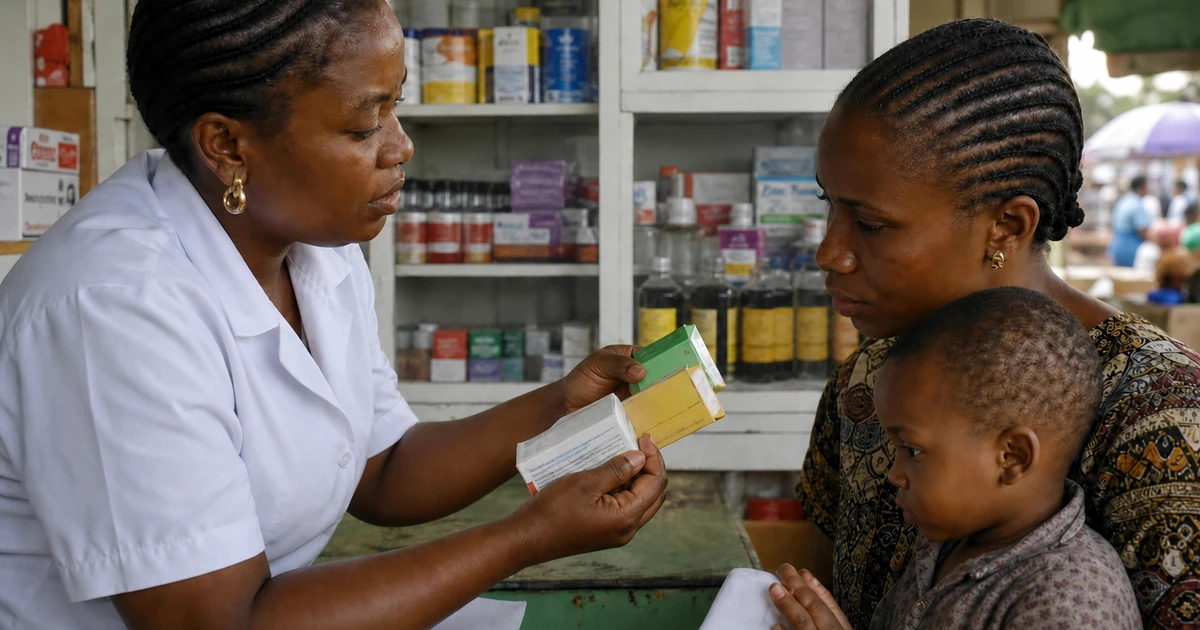
At the pharmacy counter, I see this often. People want quick relief, especially after a long day, and they combine products. By morning they feel worse and worry the illness is getting serious. Sometimes the bigger issue is too much paracetamol from overlapping medicines.
Why accidental double-dosing happens
Paracetamol is one ingredient, but it appears in many products, including:
- Cold and flu powders or syrups
- Combination pain relievers
- All-in-one fever symptom packs
- Some prescription pain medicines
In real life, label reading is easy to skip. You are tired, NEPA takes light, or you are in a hurry. But that quick check can prevent a dangerous mistake.
How to spot paracetamol on the label
Do not rely on the front branding. Check the active ingredients panel every time.
- Look for paracetamol in the ingredients list
- Check the strength beside it, like 500 mg
- If you are taking more than one product, compare all packs before taking the next dose
If the print is tiny or confusing, ask your pharmacist to point it out clearly.
One rule that prevents most mistakes
Use only one paracetamol-containing medicine at a time.
If symptoms are not improving, do not stack another product blindly. Pause and reassess, then speak with a pharmacist about the safest next step.
A practical way to choose:
- Fever or pain only: one plain paracetamol product is often enough
- Fever plus catarrh or blocked nose: choose one suitable cold remedy and avoid adding extra paracetamol tablets
- Already on a prescription pain medicine: confirm whether it contains paracetamol before adding anything else
Practical checklist for safe use at home
Save this and use it as your quick family safety check:
- Use one paracetamol-containing medicine at a time
- Read the label each time, even for medicines you use often
- Follow dose and timing exactly as written on the pack
- Never use adult doses for children
- Use the dosing cup or oral syringe that comes with syrups, not kitchen spoons
- Keep medicines in one place so you can track what has been taken
- Avoid alcohol while using paracetamol, especially over several days
Children and babies: extra care is important
Children are more sensitive to dosing errors. Even small extra amounts can be harmful.
- Use child dosing exactly as stated on the pack, usually by weight and age guidance
- If you are unsure, do not guess
- Bring the child's current weight (or age) and the medicine pack to the pharmacy for dose confirmation
Paracetamol and ibuprofen: should you rotate?
Some families alternate paracetamol and ibuprofen during high fever. This can be done in some cases, but only when timing and dosing are very clear.
If the schedule feels confusing, keep it simple: use one medicine correctly, focus on fluids, light clothing, and rest, then ask a pharmacist for a safe plan.
When to Seek Help
Get urgent medical help immediately if:
- You think too much paracetamol may have been taken
- There is severe or worsening abdominal pain
- There is repeated vomiting or unusual drowsiness
- Skin or eyes look yellow, or urine becomes very dark
- A child took an adult product or an unknown amount
Do not wait for symptoms to settle before seeking care.
Nigeria-real habits that make this easier
Small habits can prevent big problems:
- Keep a torchlight or charged phone light near your medicine box for blackout moments
- Put commonly used medicines in a clear container and label it simply
- If you are outside and feeling unwell, take one correct dose first and avoid adding extra mixed products too quickly
- When in doubt, send a clear photo of the medicine pack to your pharmacist before combining medicines
Short disclaimer
This article is for general health education and does not replace personal medical care. For advice specific to your condition, speak with a qualified healthcare professional.
Need help? Chat with us on WhatsApp or contact us.

No comments yet. Login to start a new discussion Start a new discussion