Medication Safety & Pharmacy Tips
Medicine Storage in Nigeria: Keep Your Drugs Safe Through Heat, Humidity, and Power Cuts
Heat, humidity, and power cuts can quietly ruin medicines. Here’s a practical, Nigeria‑friendly guide to safe storage that actually works at home.
Reviewed by: Amela Pharmacy team, Uyo Last updated: 11 Feb 2026
You open a drawer and see a half-melted blister pack, or a syrup that smells off. That sinking feeling is real. In Nigeria's heat and humidity, medicines can spoil quietly.
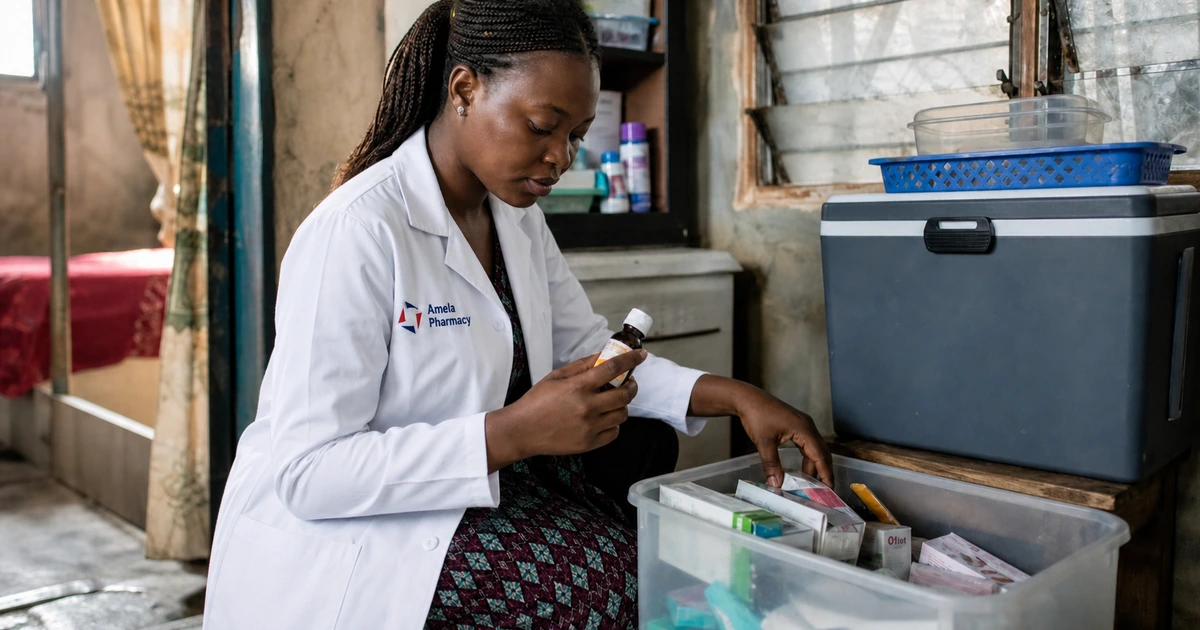
I am Ime, a pharmacist in Uyo, and I see this often at the counter. A bag of medicines stays in a keke boot after market runs. Tablets sit in a bathroom cabinet because it feels convenient. Fridge medicines are left at room temperature when NEPA takes light. Small habits like these can reduce how well a medicine works.
Why storage matters more than most people think
Medicines are made to stay stable within specific temperature and moisture conditions. Too much heat or moisture can break down active ingredients or change the product itself.
When that happens: 1. The medicine may not work the way it should. 2. It may behave differently from what your prescriber intended.
Either way, treatment becomes less reliable.
Common storage mistakes we see in Nigerian homes
- Keeping medicines in the bathroom, where steam and heat build up.
- Storing tablets near the cooker, kettle, or kitchen window.
- Leaving medicines in cars, keke boots, or on sunny verandas.
- Mixing different tablets in one bottle or nylon sachet.
- Keeping fridge medicines without a backup plan for outages.
Where to store medicines at home
Choose one main spot that is cool, dry, and away from direct sunlight.
Good options: - A high shelf inside a bedroom wardrobe. - A lockable cabinet in a cool hallway. - A shaded drawer in a room that does not heat up much in the afternoon.
Avoid: - Bathroom cabinets. - Kitchen shelves near heat or steam. - Windowsills and bedside tables in direct sun. - The top of the fridge, which is usually warm.
If you live in a one-room space, a small lockable box kept high up can still work well.
Fridge medicines during power cuts
Some medicines must stay refrigerated. The label will state this clearly. Examples may include insulin and some liquid antibiotics.
If your medicine says it should be refrigerated: - Keep it together in a labeled container so you can move it quickly. - During outages, use a cooler bag with ice packs or a frozen water bottle. - Wrap medicine so it does not touch ice directly and freeze. - Do not keep it in the freezer unless the label says so. - If you are unsure how long it can stay out, call a pharmacist before using it.
A simple outage plan can save you from replacing expensive medicines.
Practical checklist: safe medicine storage at home
- Keep medicines in original packs or bottles with labels intact.
- Store in a cool, dry place away from heat and sunlight.
- Use one regular storage location so medicines are not misplaced.
- Keep medicines out of children's reach, preferably locked.
- Close caps tightly after every use.
- Separate adult and children's medicines.
- Do not combine different tablets in one container.
- Check expiry dates monthly and remove expired or unlabeled items.
- Refill pill organizers in good light and store them safely.
Signs medicine may have been damaged
- Tablets that are soft, sticky, chipped, or discolored.
- Capsules that are warped, cracked, or leaking.
- Syrups that smell unusual or look separated.
- Creams and ointments that become watery, grainy, or changed in color.
If you notice any of these, pause and ask a pharmacist before using the medicine.
Kids, visitors, and busy-day habits
Many accidental poisonings happen during a quick moment of distraction.
What helps: - Put medicines away immediately after each dose. - Keep handbags and guest bags out of children's reach. - Tell older children medicine is not candy. - Do not leave medicines under pillows or on bedside stools. - Remind visiting relatives to store their own medicines safely too.
Medicine safety when you are on the move
Traffic, heat, and long days outside can affect medicine quality.
- Carry medicines in their original container when possible.
- Keep them in a pouch with you, not in a parked vehicle.
- Use an insulated pouch for medicines that need cooling.
- For long trips, ask a pharmacist for a travel storage plan.
When to Seek Help
Seek urgent medical help immediately if: - A child or vulnerable adult may have swallowed an unknown medicine. - You took a medicine that looked spoiled and then felt unwell. - A medicine that must stay refrigerated was left out for long and you are unsure if it is safe. - You suspect an accidental overdose or double dose.
Early action is safer than waiting.
A short disclaimer
This article is for general information only and is not personal medical advice. Storage instructions can differ between products, so always check your medicine label and speak with a pharmacist or doctor when unsure.
Need help? Chat with us on WhatsApp or contact us.

No comments yet. Login to start a new discussion Start a new discussion