Community Health (Akwa Ibom)
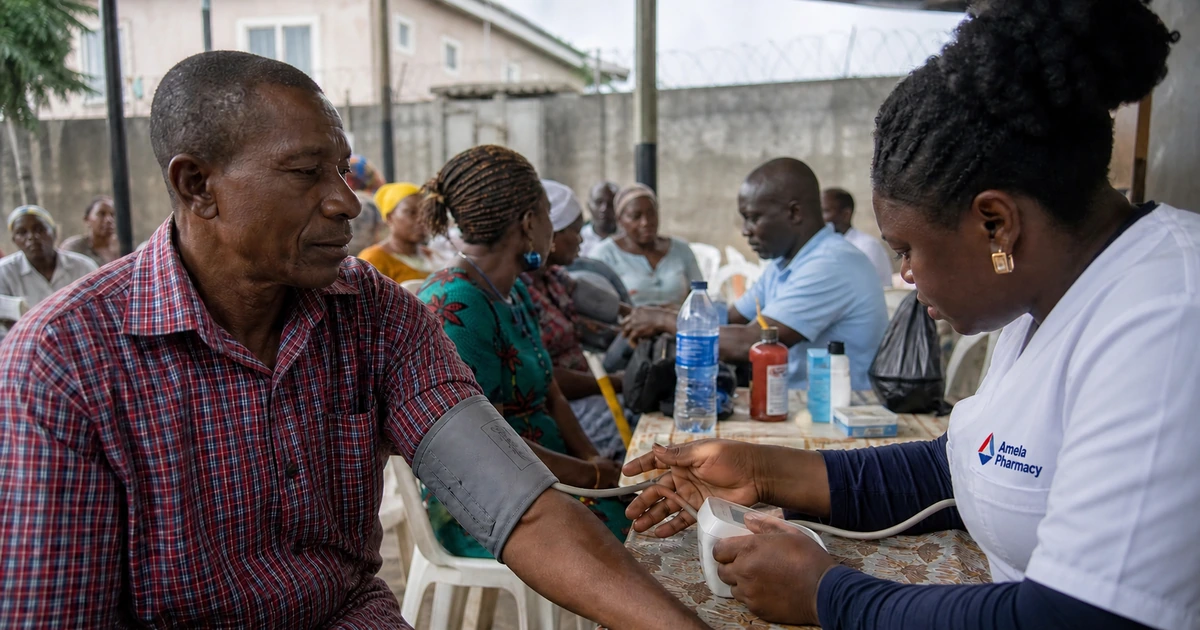
Community Health Screening in Uyo: How to Prepare for BP and Blood Sugar Checks
Heading to a community screening? Here’s how to get accurate BP and blood sugar results, what to bring, and when to seek urgent help.
Reviewed by: Amela Pharmacy team, Uyo Last updated: 11 Feb 2026
If you have ever jumped down from a keke and gone straight to the BP table, you already know how confusing one reading can be. I am Ime, and this is something we see often at community screenings in Uyo. A little preparation can make your BP and blood sugar results much more accurate.
Why These Checks Matter
High blood pressure and high blood sugar can stay quiet for years. You may feel fine and still have numbers that need attention. Community screenings help us catch problems early and guide people to proper follow-up.
A Quick Story From Screening Day
One woman came in after rushing through the market in the heat, carrying heavy bags and trying to beat rain. Her first BP looked high and she became worried.
We let her sit quietly, breathe, and rest for a few minutes. The repeat reading came down clearly. Same person, different condition, more reliable number.
How to Prepare Before Your Turn
- Avoid coffee, energy drinks, cigarettes, shisha, and intense exercise for at least 30 minutes before BP is checked.
- Use the restroom first if you can. A full bladder can affect BP reading.
- Wear short sleeves or loose sleeves so the cuff sits on bare skin.
- Ask whether your blood sugar test is random or fasting.
- If fasting is required, confirm the exact fasting window before test day.
- Bring your medicine list, including supplements and herbal products.
- Bring any recent home BP or glucose records.
- Sit quietly for at least 5 minutes before BP measurement.
- During BP check, keep your back supported, feet flat, and arm supported at heart level.
During the Check
If a number looks unusually high or low, do not panic. Ask for a repeat after a short rest.
For blood sugar, one finger-prick value is a useful snapshot, but it does not confirm diabetes by itself. If results are off, the next step is proper clinic testing, usually fasting blood sugar and/or HbA1c.
Common Mistakes That Can Distort Results
- Talking, laughing, or pressing phone during BP reading.
- Crossing legs or leaving feet dangling.
- Holding your arm up instead of supporting it.
- Placing cuff over thick clothing or very tight sleeves.
- Testing immediately after stress, heat exposure, or brisk walking.
What the Numbers Mean (Simple Version)
- BP has two values: top (systolic) and bottom (diastolic).
- High BP is usually confirmed with repeated readings on different days, not one rushed reading.
- Screening blood sugar helps identify risk, then clinic tests confirm diagnosis.
- If the team asks you to follow up, treat it as an early warning to protect your health, not a reason to panic.
Screening Day Checklist
- [ ] Eat your normal light meal unless you were told to fast.
- [ ] Arrive early enough to rest before checks.
- [ ] Remove tight jackets or thick layers.
- [ ] Confirm cuff size fits your arm.
- [ ] Take slow breaths if you feel anxious.
- [ ] Write down your numbers or snap your result card.
- [ ] Ask clearly what you should do next if a result is high.
When to Seek Help
Community screening is not emergency care. Seek urgent care immediately if you notice: - Severe headache with chest pain or shortness of breath. - Sudden one-sided weakness, confusion, or trouble speaking. - Fainting, severe dizziness, or loss of consciousness. - Very high blood sugar symptoms such as vomiting, deep rapid breathing, or severe weakness.
After Screening: Smart Next Steps
If your numbers are normal, keep screening regularly.
If your numbers are high, book follow-up at a clinic for confirmatory tests and a treatment plan. Early action works better than waiting.
Also, try to repeat checks on calmer days when possible. Stress, poor sleep, and even NEPA wahala can temporarily push numbers up.
Note on Fasting Blood Sugar Tests
If you are asked to do a fasting test later, follow the timing exactly as the clinic instructs. If unclear, ask again before test day.
Disclaimer
This article is for general health education and is not a diagnosis or personal medical advice. Please speak with a qualified health professional for individual care, especially if you feel unwell or have abnormal results.
Need help? Chat with us on WhatsApp or contact us.

No comments yet. Login to start a new discussion Start a new discussion